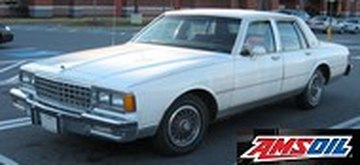
Engine Lubrication and Maintenance for the 1982 Chevrolet CAPRICE 3.8L
Maintaining a vehicle from the early 1980s requires a shift in perspective compared to modern automotive care. For owners of a 1982 Chevrolet CAPRICE equipped with the 3.8L engine, routine service is not just about following a schedule; it is about monitoring the physical condition of aging components and ensuring that lubrication remains effective over time. Because mechanical systems can change in behavior as they age, consistent observation is one of the most valuable tools in an owner's maintenance toolkit.
Monitoring Fluid Integrity and Potential Seepage
One of the primary tasks during any routine service interval for this vehicle is a thorough visual inspection of the engine area. As vehicles age, various seals and gaskets may undergo changes in their ability to maintain a tight barrier against fluids. Rather than assuming a component has failed, it is more effective to look for evidence of seepage or active leaks.
When inspecting the 3.8L engine, pay close attention to areas where oil might collect. A light film of oil on a surface can sometimes be managed with continued monitoring, whereas active dripping often warrants more immediate investigation. It is also useful to check the condition of any visible hoses or electrical connections in the vicinity of the engine. If present, inspecting these components for signs of cracking, fraying, or brittleness can help prevent secondary issues that might arise from a lack of proper cooling or electrical stability.
Furthermore, observing the appearance of the oil itself can provide clues about the engine's internal environment. While changes in lubricant color are common due to heat and use, significant deviations or unusual textures should be noted. If you notice any unexpected odors or changes in how the vehicle operates shortly after a service, these are important indicators that should be investigated to ensure the maintenance performed was successful.
Prioritizing Long-Term Engine Care
For an owner of a 1982 Chevrolet CAPRICE, establishing a clear baseline for maintenance is essential, especially if the vehicle's full service history is not known. If you have recently acquired this vehicle, your first priority should be to document its current state. This involves checking fluid levels, noting any existing leaks, and verifying the condition of all serviceable parts.
Effective long-term ownership relies on distinguishing between preventive maintenance and unnecessary repairs. Not every aging component requires immediate replacement; instead, focus on addressing active warning signs or overdue service first. For example, if you observe a gradual increase in lubricant consumption, this is a more pressing matter than replacing a part that shows no signs of wear. Keeping a detailed log of all completed oil changes, filter replacements, and any observed mechanical changes will allow you to identify patterns over time, making it easier to predict future needs.
As the vehicle continues to age, your maintenance focus may shift from purely scheduled tasks to more condition-based monitoring. This means relying on what you see and hear during operation—such as unusual noises or changes in fluid clarity—to guide your service decisions. This proactive approach helps ensure that maintenance efforts are directed where they will provide the most benefit to the engine's continued operation.
Understanding Lubricant Functions
The engine oil in a 3.8L application performs several vital roles that extend beyond simple lubrication. It acts as a primary medium for heat management, helping to carry thermal energy away from high-friction areas within the engine block. Additionally, the lubricant serves to clean the internal surfaces by suspending microscopic particles and preventing them from settling into deposits or sludge.
Maintaining the chemical integrity of the oil is crucial for these functions. Over time, the additives within the oil—which are designed to combat oxidation and neutralize acids—can become depleted. When the lubricant loses its ability to manage heat or control contaminants, it can lead to the buildup of deposits that may eventually affect engine performance. Regular changes ensure that the fluid remains capable of protecting the internal components from the stresses of thermal cycling and mechanical friction.
Managing Aging Engine Components
When performing maintenance on a vehicle of this era, it is important to use current condition as your primary guide rather than relying solely on the age of the car. While some components are naturally more sensitive to time, others may remain in excellent condition for decades if properly cared for. For instance, if equipped with various drive belts, these should be inspected for glazing or surface deterioration during every oil service. Similarly, any cooling-system hoses should be checked for softness or signs of swelling.
If you encounter evidence of previous neglect, such as heavy sludge buildup or significant fluid loss, it is wise to address these issues systematically. Rather than attempting to overhaul the entire system at once, start by stabilizing the lubrication and cooling environments. Once a consistent maintenance baseline is established through regular oil changes and inspections, you can more accurately assess which other components require attention.
Identifying Potential Operational Changes
Owners should remain observant of any symptoms that deviate from the vehicle's normal operating state. It is important to remember that many symptoms can have multiple underlying causes, so a single observation should be treated as a prompt for investigation rather than a definitive diagnosis. For example:
- An unusual odor during or after operation may indicate oil contacting a hot external surface.
- Changes in the way the engine sounds during startup or idling warrant closer inspection of the lubrication and ignition systems.
- Any sudden increase in fluid consumption should be investigated to determine if it is related to a seal, a gasket, or another internal factor.
- The appearance of warning indicators on the dashboard requires immediate attention to prevent potential damage.
By treating these signs as indicators for further inspection rather than automatic failures, you can approach maintenance with a more analytical and cost-effective mindset.
Practical Advice for BUYING ENGINE OIL for your 1982 Chevrolet CAPRICE 3.8L
When it is time to replenish the lubrication in your engine, the most important step is to ensure that the product you select matches the specific requirements of your application. Because different engines and operating environments require different chemical properties, you should always refer to the vehicle-specific oil viscosity and application information already displayed on this webpage before making a purchase.
When browsing options, consider the following practical steps:
- Verify the Label: Always check the product packaging to ensure the SAE viscosity grade matches what is listed in your application data.
- Consider Formulations: Depending on your engine's current condition and mileage, you may choose between conventional, synthetic blend, or full synthetic oils. Some high-mileage oil formulations contain additives intended for use in aging engines, including seal-conditioning additives that may be beneficial for older seals.
- Check Certifications: Look for the appropriate API service symbols on the bottle to ensure the oil meets modern quality and performance standards.
- Avoid Assumptions: Do not select an oil based solely on the age of the vehicle or general automotive trends; always prioritize the specific viscosity information provided for this 3.8L engine.
By matching your lubricant choice to the technical details provided here, you ensure that the oil provides the necessary protection and thermal stability required for your 1982 Chevrolet CAPRICE.